
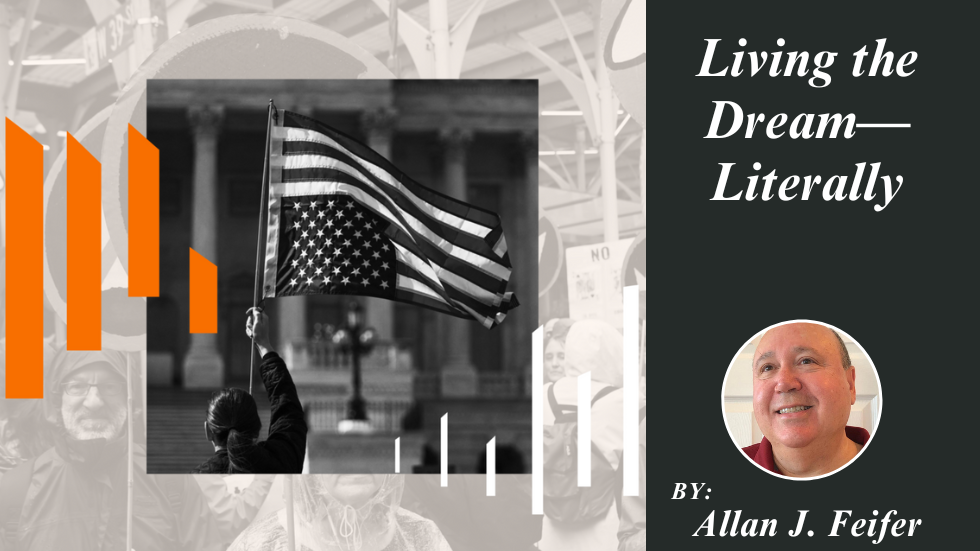
Profound differences separate our two opposing sides, and how we view the obvious logical fallacies that exist, leading me to ponder whether Democrats live in an altered state of existence. Democrats who believe they are the most compassionate, rational, and life-affirming people are frequently in diametric opposition to what we know to be factual. We all realize this has happened, but we’ve disagreed on a good origin story that explains how we got here. Let’s give it a go!
Fracture Lines in American Politics:-
First, let’s tackle what I call the 80-20 issues that define the boundaries separating us. Here are the fracture lines that separate how today’s Democratic Party and conservatives differ so starkly:
- Lower corporate and personal income taxes— Conservatives favor tax cuts to spur growth; many independents support tax relief too, while social democrats prioritize progressive, some might say confiscatory taxation (as they eye wealth taxes) and revenue for endless public programs.
- Deregulation for businesses— Support for rolling back regulations (environmental, labor, licensing) is common on the right and among pragmatic independents; social democrats emphasize stronger regulation to protect workers, consumers, and the environment from any potential danger, regardless of cost or actual harm.
- Stronger immigration enforcement— Policies emphasizing border control, stricter asylum rules, and effectively open borders for illegal migrants attract conservative and a lot of independent support; social democrats generally favor unlimited immigration, and immigrant support even shields criminals from deportation.
- School choice and vouchers— Conservatives and many independents back charter schools, vouchers, or education savings accounts; social democrats defend ever-higher public school funding and oppose diverting public funds to charter or private schooling, revealing their fear of competition.
- Fossil-fuel-friendly energy policy — a preference for continued oil, gas, and coal development or slower transition timelines — is standard among conservatives and many independents; social democrats push aggressive clean-energy transitions and stricter emissions rules limiting choice.
- Tougher criminal justice and law and order stances— Support for stricter sentencing, more police funding, and harsher penalties tends to align conservatives and the majority of independents; social democrats favor reform, decarceration, and alternatives to incarceration, frequently deflecting when failures are highlighted. Social Democrats here are attempting to criminalize the offence of “Offending someone” as exists in Europe today.
- Skepticism of large universal welfare expansions— Conservatives oppose unlimited welfare; many independents are cautious; social democrats advocate expanding social safety nets and universal benefits to all, with little to no requirement to work or even a requirement for legal status.
- Prioritizing national security and defense spending— Higher defense budgets and assertive foreign policy positions are often backed by conservatives and the majority of independents; social democrats prioritize diplomacy, aid, international solutions, and domestic spending instead.
- Gun rights protections— Strong Second Amendment protections and resistance to broad gun bans are standard conservative positions while enjoying independent sympathy; social democrats generally favor stricter, or even outright confiscation of guns.
- America as a God-centered nation— Conservatives and a significant majority of independents, while desiring a secular nation, espouse a “What would God do?” mantra that demands an ethical basis in governance. Social Democrats stand in opposition, opposing any religious or moral test. We see this play out daily in the LGBTQ+ debate and across several other areas concerning the rule of law.
- Globalism— One of the starkest divides is a developing split/rift between America First Conservatives, Social Democrats, and many independents over globalism. Traditional loyalties (Israel) and traditional issues (standing up to tyrants, especially developed nations) have recently seen the bottom fall out.
Taken as a whole, these issues constitute the majority of tectonic plate issues dividing the two sides. Now, let’s return to what kicked off the polarization that is so rampant today.
The modern GOP–Democrat schism began to take shape in the 1960s with the Civil Rights era and the Republican Southern Strategy, and it hardened over the next several decades as racial realignment, ideological divergence, institutional changes, and media fragmentation amplified partisan differences.
Strategy Re-alignment of Democrats & Republicans:-
The first major rupture came during the Civil Rights movement and the 1960s realignment. As the national Democratic Party embraced civil rights legislation (as a ploy to win elections, not because they believed in it), many white Southern voters and politicians began shifting away from the Democrats; Republican strategists exploited that shift to build support in the South, a pattern often termed the Southern Strategy. That realignment changed the geographic and ideological bases of both parties and set the stage for today’s partisan divergence.
After the initial realignment, several forces deepened and institutionalized the divide. Ideological sorting meant conservatives increasingly clustered in the GOP and liberals in the Democratic Party, reducing the number of cross-cutting coalitions. Changes in campaign finance, primary rules, and the rise of nationalized media made elections more about national identity and less about compromise. Cultural issues (race, religion, gender, immigration) became potent partisan signals, accelerating voter realignment and reducing incentives for bipartisanship.
The shift did not stop in the 1960s; it continued through the 1970s–1990s, culminating in a broader party switch that reshaped party coalitions and policy priorities. By the 1980s and beyond, party elites and activists had incentives to emphasize differences rather than any attempt to meet in the middle: primaries rewarded ideological purity, and congressional incentives (committee rules, polarization in leadership) reduced cross-party brokering. The result was a steady increase in polarization and nationalization of politics through the late 20th century.
Several structural and technological changes accelerated the schism: gerrymandering and safe districts made primary challenges more consequential; 24/7 cable and social media amplified partisan narratives and reduced shared beliefs; and economic and demographic shifts (suburban sorting, educational divides) made partisan identities more predictive of policy preferences. These factors turned an initial regional realignment into a national divide.
Conclusion:-
The apparent breakdown in cross-party cooperation is not a single event but a multi-decade process: a Civil Rights–era realignment provided the opening, and subsequent institutional, cultural, and media changes hardened the split into today’s polarized landscape.
We already understand the downsides of where we are. The question remains whether we can return to a semblance of what people want and the country needs, a working political establishment. We need better citizen statesmen than we have today. As to how that changes, I am at a loss.
In the end, we get the government we deserve (elect). Therefore, the problem is less about the elected officials and more about ourselves. This is where we must start.
God Bless America!
 Allan J. Feifer—Patriot
Author, Businessman, Thinker, and Strategist. Read more about Allan, his background, and his ideas to create a better tomorrow at www.1plus1equals2.com. Read additional great writers here.
You may also enjoy these Articles, published on National Platforms

Recent Comments